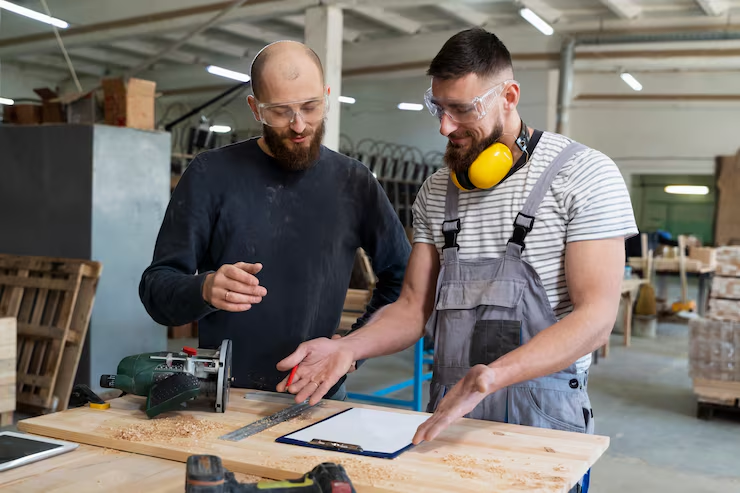
Healthcare Carpentry: Designing Safe, Comfortable Spaces with Precision
When considering renovations or upgrades to spaces within your home that serve a healthcare or accessibility purpose, a fundamental decision often arises: is it time for repair and modification, or a complete replacement of existing structures? This choice extends to whether you undertake such projects yourself or engage a local expert. While DIY can offer a sense of accomplishment and potential cost savings for straightforward adjustments, the intricacies of creating safe, functional, and comfortable environments for healthcare needs typically necessitate professional expertise.
The trade-offs between DIY and professional carpentry for these specialized spaces are significant. For homeowners with carpentry skills, tackling smaller modifications like reinforcing a handrail or adjusting cabinet heights might seem feasible. However, the precision required for built-in assistive features, custom medical cabinetry, or modifications to accommodate mobility aids demands a level of knowledge and skill that goes beyond general woodworking. Errors in measurement, material selection, or installation can compromise safety, lead to premature wear, or even create new hazards. Furthermore, understanding the ergonomics and specific requirements of different healthcare needs requires dedicated experience. Engaging a local provider, conversely, means investing in their specialized skills, understanding of materials, and commitment to a high standard of finish. While this involves a financial outlay, it often translates to a more durable, safer, and precisely executed outcome, particularly for bespoke timber joinery designed to integrate seamlessly with your home’s existing architecture.
What truly separates a good local provider specializing in healthcare carpentry is their meticulous approach to design and execution. This isn’t just about building sturdy furniture; it’s about understanding the nuanced requirements of spaces intended for health, safety, and ease of use. A skilled carpenter will assess your specific needs, whether it’s creating accessible bathroom cabinetry with integrated support, designing a custom medication storage unit with child-resistant features, or crafting ergonomic shelving and work surfaces for therapeutic activities. They consider factors such as material durability and ease of cleaning, the strength and stability of all joinery, and the seamless integration of safety features without compromising aesthetics or comfort. For instance, when providing carpentry services in a location like Brentwood, a local expert understands the regional architectural styles and can ensure that custom cabinetry and woodwork complement the existing character of homes.
Precision is paramount in healthcare carpentry. This involves accurate measurements, clean cuts, strong and reliable joinery, and a flawless finish. A well-executed project ensures that elements like grab bars are securely anchored, ramps are built with appropriate gradients and non-slip surfaces, and custom storage solutions are configured for optimal accessibility and organization. What tends to go wrong in less experienced hands is often a lack of attention to these critical details. For example, improperly fitted drawers in medical cabinetry can stick, making access difficult, or poorly installed shelving might not bear the intended weight, posing a safety risk. The cost of such projects is influenced by the complexity of the design, the types of materials used – solid hardwoods, for example, will differ in cost from durable, high-grade plywood – and the amount of custom fabrication involved. A provider experienced in carpentry in Brentwood will factor in local material availability and their own efficient work processes.
Choosing a provider well for healthcare carpentry means looking beyond general woodworking skills. Seek out individuals or small teams with demonstrable experience in creating functional, safe, and comfortable living environments. They should be adept at understanding and translating your specific healthcare needs into tangible woodworking solutions. This includes clear communication about the design process, material options, and the installation plan. A good local provider will offer a thoughtful consultation, ask pertinent questions about how the space will be used, and offer creative solutions that enhance both safety and the overall living experience. Their commitment to quality craftsmanship ensures that the resulting custom cabinetry and woodwork will be a durable and beneficial addition to your home for years to come.