Residential Carpentry: Enhancing Your Home with Tailored Woodwork Solutions
Custom carpentry, cabinetry, and woodwork offer a distinctive way to elevate your home’s functionality and aesthetic appeal. This is about creating bespoke wooden elements that perfectly fit your space and needs, from intricate built-in shelving to beautifully crafted kitchen cabinets or unique paneling. Unlike mass-produced items, these solutions are designed and built specifically for your residence, reflecting your personal style and addressing specific requirements.
What Influences the Cost of Custom Woodwork?
Several factors significantly impact the overall investment in custom carpentry and cabinetry. The complexity of the design is a primary driver; intricate joinery, detailed carvings, and elaborate moldings will naturally require more time and specialized skills, thus increasing the cost. The type of wood selected also plays a crucial role. Hardwoods like oak, cherry, and walnut are generally more expensive than softer woods or plywood alternatives. The finish applied, whether it’s a natural oil, stain, or a multi-coat lacquer, can also affect the price due to material and labor involved. Furthermore, the scale of the project – the number of cabinets, the length of custom shelving, or the area to be paneled – directly correlates with material usage and installation time. Lastly, specialized hardware, such as high-quality drawer slides or decorative hinges, can add to the total cost.
The Custom Woodwork Process: From Concept to Creation
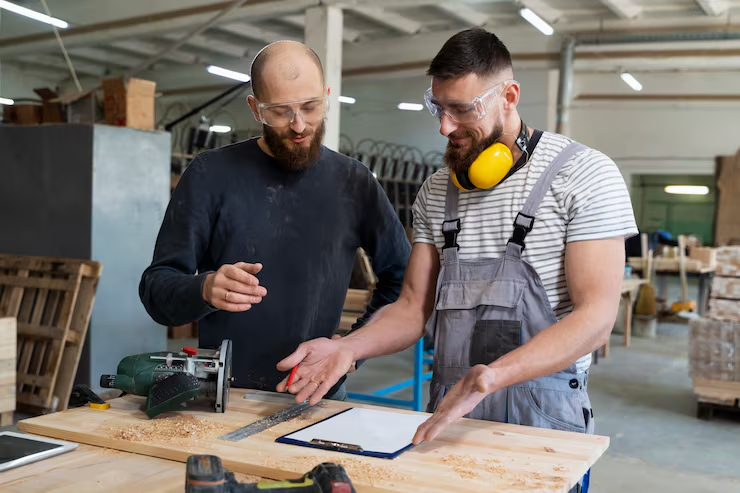
Embarking on a custom woodwork project typically involves a clear, structured process to ensure your vision is accurately translated into reality. It begins with an initial consultation. During this phase, you’ll discuss your ideas, needs, and aesthetic preferences with a skilled independent provider. They will assess your space, take measurements, and offer expert advice on design possibilities, wood types, and finishes. Following this, detailed design concepts and plans will be developed. This stage often includes sketches, 3D renderings, or detailed technical drawings, allowing you to visualize the final product and make any necessary adjustments. Once the design is approved, a detailed quotation outlining materials, labor, and project timeline will be provided. The next step is the fabrication phase, where the chosen wood is carefully selected and expertly crafted into your custom pieces in a workshop setting. Finally, the installation takes place in your home, where the provider ensures a precise and seamless fit, paying close attention to detail and finishing touches. This entire journey is about collaboration, ensuring the finished product perfectly complements your home’s existing architecture and your lifestyle, much like how one might consider the installation of new linoleum flooring to update a space.
Judging the Quality of Finished Woodwork
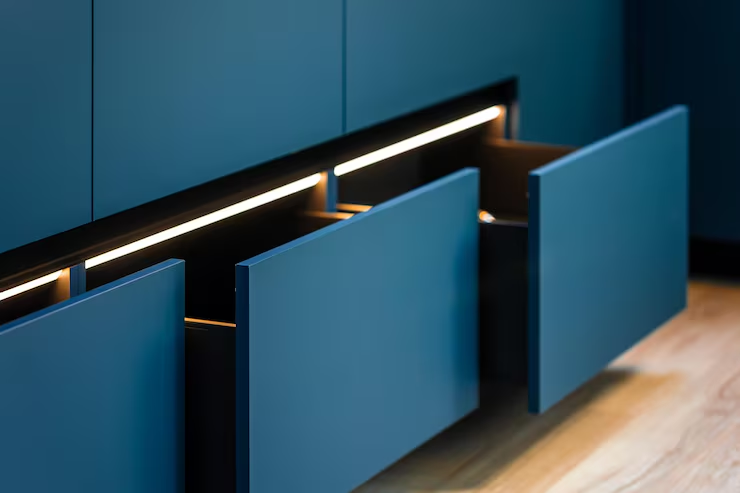
Assessing the quality of custom carpentry, cabinetry, and woodwork involves a close examination of several key areas. Firstly, look at the overall fit and finish. Are the joints tight and seamless? Is the wood grain flowing attractively across surfaces and between components? For cabinetry, drawers should slide smoothly without sticking, and doors should align perfectly and close flush. Secondly, inspect the craftsmanship of the joinery. Dovetail joints, mortise and tenon joints, or other construction methods should be precise and strong, demonstrating a high level of skill. Check for any signs of rough sanding, visible glue squeeze-out, or uneven finishes. The stability of the piece is also important; it should feel solid and well-constructed, without any wobble or flex. Finally, consider the adherence to the agreed-upon design and specifications. Does the finished product match the approved plans in terms of dimensions, materials, and features? A well-executed custom woodwork project will not only be beautiful but also highly functional and built to last, providing lasting value to your home, much like a substantial home remodeling project would aim to do.